“natural environment” search results (3000)

Boutique coffee Panamanian coffee flavor white grape, caramel, honey, black tea
Panamanian coffee originated in 1780, when European immigrants introduced the first Tipica tree species. Located in Central America, with the natural advantages of sunshine, land and mountains, coupled with a sufficient working population, the region is an excellent area for growing and producing high-quality boutique coffee, and it is a paradise for coffee. In particular, the Geisha coffee from Panama has led to the global customs.
2016-05-16 Boutique coffee Panama flavor white grape grape caramel honey black tea Pakistan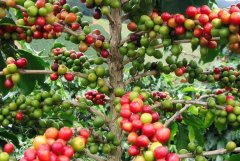
Panamanian SHB boutique Manor Coffee Bogut Manor Cupid
Panamanian coffee originated in 1780, when European immigrants introduced the first Tipica tree species. Located in Central America, with the natural advantages of sunshine, land and mountains, coupled with a sufficient working population, the region is an excellent area for growing and producing high-quality boutique coffee, and it is a paradise for coffee. In particular, the Geisha coffee from Panama has led to the global customs.
2016-06-20 Panama SHB Grade Manor item Coffee Boqui producing area Cupid
A brief introduction to Coffee Culture in Ethiopia
Sustainable coffee culture Ethiopian coffee beans grow in close to the natural environment, after years of planting under the same growth conditions, Ethiopian coffee beans have gradually adapted to the environment here. More than 60% of coffee beans are grown in forests or semi-forests. The villages that grow coffee in large areas account for about the total amount of coffee produced in the country.
2016-06-04 Ethiopia Coffee Culture introduction Sustainable Development
Ethiopian Coffee Manor Culture introduces Flavor
Coffee Culture Coffee beans in Ethiopia grow in close to the natural environment. After years of planting under the same growth conditions, Ethiopian coffee beans have gradually adapted to the environment here. More than 60% of coffee beans are grown in forests or semi-forests. Large-scale coffee-growing villages account for about 35% of the country's total coffee production.
2016-06-13 Ethiopia coffee manor culture introduction flavor coffee culture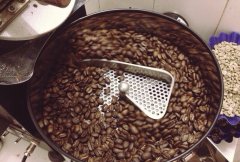
Introduction to the planting environment of coffee trees in Guatemala
The coffee planting base in Guatemala faces severe landscape changes and shrinking habitats, and more than 90 species of migratory birds have found refuge in shaded trees. In early autumn (north temperate zone), birds such as Nashville warbler (Vermivoraruficapilla), wide-winged eagle (Buteo swordfish), crested flycatcher (Myiarchuscrinitus), lovely summer Donna Finch (Piranga Waxberry), Raptors
2015-01-12 Coffee planting Guatemala Environment introduction Base
Introduction to the flavor and taste characteristics of the charming Ethiopian boutique coffee bean manor.
A large amount of coffee production (95%) is done by small shareholders, with an average yield of 561 kg per hectare. For centuries, minority holders of Ethiopian coffee farms have been producing a variety of high-quality types of coffee. The secret of producing high-quality coffee is that coffee growers have developed environmental conditions through generations of repeated learning about the coffee planting process.
2016-09-06 Charm unique Ethiopia boutique coffee beans manor producing area flavor taste
Introduction to Cuban boutique coffee-- the taste of Cuban Crystal Mountain Coffee Crystal Coffee
Located in the West Indies, the Republic of Cuba has a detached and pristine natural environment, the beautiful Caribbean Sea and the world-famous Crystal Mountain Coffee. In 1748, coffee was introduced into Cuba from Domiga, and Cuba began to grow coffee ever since. With fertile land, humid climate and abundant Rain Water, Cuba can be called a natural treasure land for coffee cultivation. The suitable natural condition is the growth of coffee trees.
2016-03-22 Cuba boutique coffee introduction Crystal Mountain Crystal taste Republic bit
Introduction to the growing environment and planting requirements of coffee trees
Growth environment and planting requirements of coffee beans | Natural environment and characteristics of coffee beans suitable for growth. Wen Honggang, coffee, Sichuan baristas club, Yunnan Yitian boutique coffee farm. Certified Coffee Certified Organic Coffee is grown without synthetic pesticides, herbicides or fertilizers, which helps keep healthy soil and groundwater pure. And coffee beans must also be certified organic workers.
2016-06-13 Coffee growth environment planting requirements introduction coffee beans
Description of Ethiopian Coffee Flavor with Jasmine Flavor introduction to Fine Coffee Bean Manor
Local aborigines often grind the fruit of the coffee tree and knead it with animal fat to make many ball-shaped balls. These indigenous tribes use these coffee balls as precious food for soldiers who are about to go out to battle. It was not until around the 11th century that people began to use boiled coffee as a drink. In the 13th century, Ethiopian troops invaded Yemen
2016-09-23 Jasmine fragrant Ethiopia coffee flavor description producing area characteristics boutique
Natural certified Kintamani volcano coffee beans in Bali, Indonesia
Beans from Bali, Indonesia, Bali Kintamani Natural Kintamani volcano naturally mature Natural organic certification, rainforest certification. The sack of beans is very personalized. I call it Devil Dou . It seems to be a local god in Bali or something. When it comes to Bali, it always seems to think of its beautiful natural environment, beach, ocean and blue sky. Bali
2015-06-01 Indonesia Bali Natural Certification Kintamani Volcano
Natural certified Kintamani volcano coffee beans in Bali, Indonesia
Beans from Bali, Indonesia, Bali Kintamani Natural Kintamani volcano naturally mature Natural organic certification, rainforest certification. The sack of beans is very personalized. I call it Devil Dou . It seems to be a local god in Bali or something. When it comes to Bali, it always seems to think of its beautiful natural environment, beach, ocean and blue sky. Bali
2015-09-12 Indonesia Bali Natural Certification Kintamani Volcano
The main coffee-producing area of Colombia, the Andes.
The planting environment edits Colombia's suitable climate to provide a real natural pasture for coffee. Coffee trees in Colombia are mainly cultivated in the Andes, on steep slopes about 1300 meters above sea level, where the annual temperature is about 18 degrees Celsius, annual rainfall is 2000 to 3000 mm, latitude 1-11 15 north and longitude 72-78 west. The specific range of elevation can be exceeded.
2016-06-18 Colombia coffee main producing areas Andes mountains cultivation environment editing
Description of Flavor and Taste of Coffee Variety in Ethiopia Coffee Manor
Ethiopia is an ancient country with a history of 3000 years of civilization. The Hamite people who immigrated from the southern Arabian Peninsula were the earliest inhabitants. Monlinique I reigned in 975 BC. The Kingdom of Nubia was established in the 8th century BC. From the 1st century to 976 AD, the Ethiopian Empire, also known as the Kingdom of Aksum, was established in Aksum in the north. Christianity was introduced into Ethiopia in the 4th and 5th centuries.
2016-09-23 Ethiopia coffee manor variety flavor taste description boutique coffee beans
The growing environment of Hawaiian Kona Coffee where does Hawaiian Kona coffee come from? Kona, Hawaii
The good quality of Kona coffee should be suitable for the right geographical location and climate. Coffee trees grow on the slopes of volcanoes, and their geographical location ensures the altitude needed for coffee to grow; the dark volcanic ash soil provides the necessary minerals for coffee. This is probably due to the fact that Kona Island is rich in volcanic black mud with moderate acidity, rich mineral content and suitable water content. Parallel
2016-03-15 Hawaii Kona coffee growth environment from where fine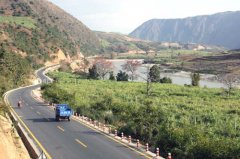
Fine Coffee learn from Yunnan Coffee Environment
The western and southern parts of Yunnan Province are located between 15o N and the Tropic of Cancer, most of which are 1000-2000 m above sea level. The topography is dominated by mountains and slopes, with large undulation, fertile soil, sufficient sunshine, rich rainfall and large temperature difference between day and night. These unique natural conditions form the flavor characteristics of Yunnan Arabica coffee with balanced aroma and moderate acidity. Coffee in Yunnan should be planted.
2014-10-09 Coffee knowledge boutique coffee Yunnan coffee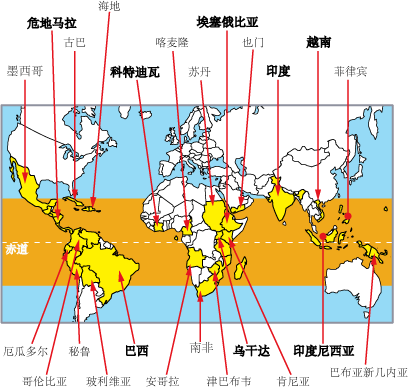
Boutique Coffee American Coffee Panamanian Boquette boquete Rosa content 30% Cupid SHB
Panamanian coffee originated in 1780, when European immigrants introduced the first Tipica tree species. Located in Central America, with the natural advantages of sunshine, land and mountains, coupled with a sufficient working population, the region is an excellent area for growing and producing high-quality boutique coffee, and it is a paradise for coffee. In particular, the Geisha coffee from Panama has led to the global customs.
2016-03-25 Boutique Coffee America Panama Pokui boquete Rosa content
Cuban Crystal Mountain Coffee with Tobacco flavour
Located in the West Indies, the Republic of Cuba has a detached and pristine natural environment, the beautiful Caribbean Sea and the world-famous Crystal Mountain Coffee. In 1748, coffee was introduced into Cuba from Domiga, and Cuba began to grow coffee ever since. With fertile land, humid climate and abundant Rain Water, Cuba can be called a natural treasure land for coffee cultivation. The suitable natural condition is the growth of coffee trees.
2014-12-15 Boutique coffee beans with tobacco Cuba Crystal Mountain coffee Republic
Natural certified Kintamani volcano coffee beans in Bali, Indonesia
Beans from Bali, Indonesia, Bali Kintamani Natural Kintamani volcano naturally mature Natural organic certification, rainforest certification. The sack of beans is very personalized. I call it Devil Dou . It seems to be a local god in Bali or something. When it comes to Bali, it always seems to think of its beautiful natural environment, beach, ocean and blue sky. Bali
2014-11-11 Coffee knowledge Indonesian coffee beans volcano coffee beans
Description of Coffee Flavor in Santa Cruz Manor, Ecuador introduction of boutique coffee beans in producing areas
Ecuador is located in South America, the equatorial line runs through the country, so Ecuador is also known as the equatorial country. Ecuador's superior geographical location, fertile soil and special climatic conditions have created a superior natural environment for coffee cultivation in the country. Ecuador is one of the few countries in the world that can produce both Arabica and Robusta coffee beans. Speaking of Ecuador,
2016-10-09 Ecuador Crewe Manor Coffee Flavor description characteristics Variety producing area essence
Boquete is the oldest and most famous coffee producing area in Panama.
Panamanian coffee originated in 1780, when European immigrants introduced the first Tipica tree species. Located in Central America, with the natural advantages of sunshine, land and mountains, coupled with a sufficient working population, the region is an excellent area for growing and producing high-quality boutique coffee, and it is a paradise for coffee. In particular, the Geisha coffee from Panama has led to the global customs.
2016-05-03 Boquis region Boquete Panama ancient and most famous coffee